Masonry construction involves building walls, structural features, and decorative surfaces using materials such as brick, natural stone, concrete blocks, and mortar. These materials create durable structures that can withstand years of exposure when properly designed, installed, and maintained.
In Toronto, masonry forms an important part of residential architecture, from traditional brick homes to modern properties featuring stone accents and concrete block foundations. Understanding the differences between masonry materials helps homeowners make informed decisions about renovations, new construction, and property maintenance. Each material serves a particular purpose, and its performance depends on proper installation, structural support, moisture management, and compatibility with surrounding building components.
We understand that homeowners often encounter unfamiliar construction terms when researching their properties. Learning the basics of masonry can make discussions with contractors easier and help property owners recognize the difference between normal aging and potential building concerns. This guide explains the main materials, construction methods, and supporting details commonly found in Toronto homes.
What Are the Main Materials Used in Masonry Construction?
Residential masonry relies on several materials that differ in strength, appearance, durability, and intended application. Brick remains common in Toronto because it offers a traditional appearance and performs well when combined with appropriate wall detailing. Natural stone provides distinctive colours and textures, while concrete masonry units serve practical structural and enclosure purposes. Mortar bonds masonry units together while accommodating small movements and helping distribute loads.
Homeowners should understand that material selection involves more than visual preference. Each product has specific installation requirements, moisture characteristics, and maintenance considerations. Selecting suitable materials helps ensure that new walls and additions remain compatible with the property’s overall construction.
Common masonry materials include:
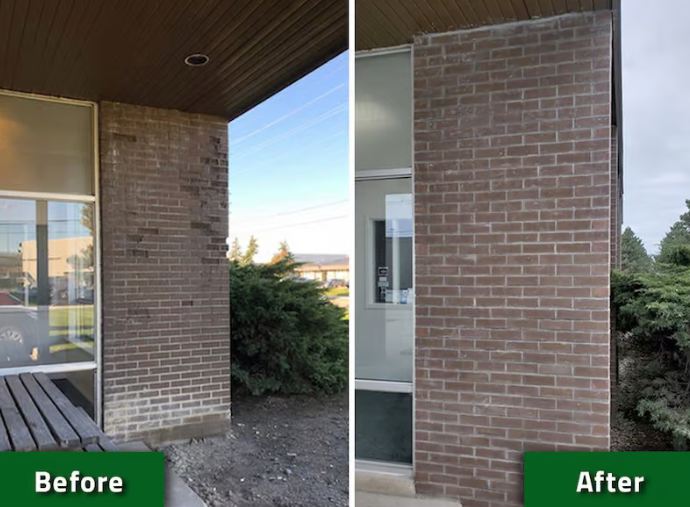
- Clay brick: Used for exterior walls, chimneys, and architectural details.
- Concrete brick: Manufactured masonry units made from cement, aggregates, and pigments, often used as exterior veneer in colours and textures similar to clay brick.
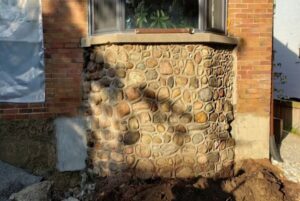
- Natural stone: Popular for veneers, steps, retaining features, and decorative surfaces.
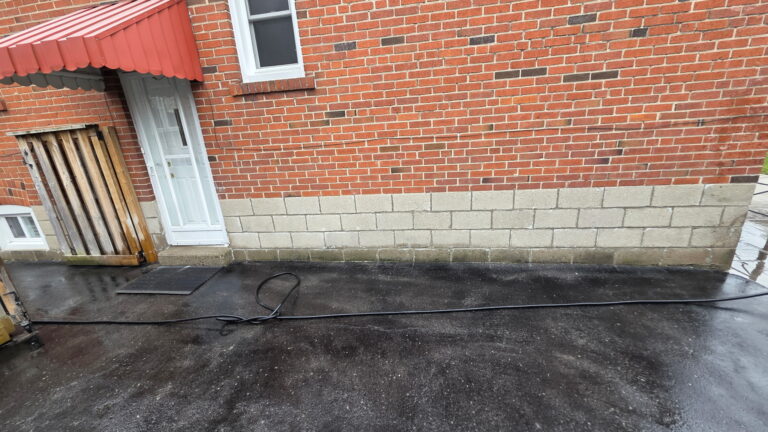
- Concrete block: Often used in foundations, garages, and utility walls.
- Mortar: Holds masonry units together and forms joints between them.
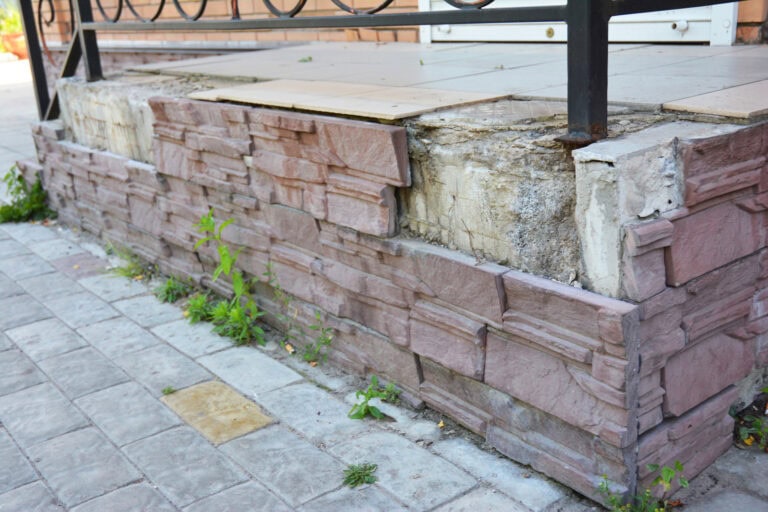
- Manufactured stone: Provides a stone-like appearance using manufactured materials.
Most Masonry Materials Are Porous
Brick, concrete block, mortar, and many types of natural stone are porous, which means they can absorb moisture. Well-designed masonry allows that moisture to drain or dry back out. One common sign of moisture moving through masonry is efflorescence, a white, powdery deposit that appears when water dissolves naturally occurring salts or minerals within the masonry and carries them to the surface. As the water evaporates, the salts are left behind. Efflorescence itself is often cosmetic, but repeated or heavy deposits can be a clue that excess moisture is entering the wall.
How Brickwork Contributes to Toronto Home Construction
Brickwork remains a recognizable feature of Toronto’s residential landscape. Traditional brick homes often feature carefully arranged courses, decorative patterns, and distinctive mortar joints.
Modern construction may use brick as an exterior veneer supported by a separate structural wall, often wood framing.
Older buildings can contain solid masonry walls with multiple layers of brick.
These systems behave differently, particularly regarding insulation, drainage, and structural support. Homeowners should identify their wall type before planning alterations because removing or replacing bricks can affect surrounding materials. Proper brick installation requires suitable foundations, consistent alignment, compatible mortar, and effective moisture management.
Older Southern Ontario homes are often built with fired-clay brick, while newer construction may use either clay or concrete brick. When repairing an older wall, matching the original brick in size, appearance and material properties helps reduce the risk of visible mismatches and differential movement.
Clay brick and concrete masonry behave differently over time: clay brick tends to expand slightly with moisture/age, while concrete masonry tends to shrink. The Concrete Masonry & Hardscapes Association specifically warns that when clay brick and concrete masonry are bonded together in the same wall, differential movement can cause cracking if it is not properly detailed.
For repairs to an existing clay-brick wall, matching the original brick is generally preferable. If an exact match is unavailable, a mason should consider not only appearance and dimensions but also absorption, strength, movement characteristics, and compatibility with the existing mortar.
For existing walls, our Brick Repair and Replacement Specialists explain common brick deterioration and replacement considerations.
Understanding Natural Stone and Its Residential Applications
Natural stone brings visual character to residential properties through variations in colour, grain, shape, and surface texture. Limestone, granite, and other suitable stones may appear in exterior finishes, entrance features, steps, and landscape elements.
Stone masonry can involve carefully cut pieces or irregular stones arranged to create a more traditional appearance. The selected stone must suit its intended location, expected exposure, and supporting structure. Some stone types absorb more moisture than others, making appropriate installation and drainage essential.
Toronto homeowners should also consider how new stonework will complement existing brick, siding, and architectural features. Matching materials during restoration requires attention to dimensions, colour, texture, moisture absorption, and mortar compatibility.
Natural stone veneer uses real stone, often cut thinner for installation, while manufactured stone veneer is typically a concrete-based product shaped and coloured to resemble natural stone.
Why Mortar Matters in Masonry Walls
Mortar performs several essential functions beyond filling visible gaps between bricks or stones. It bonds masonry units, helps distribute pressure, and contributes to the wall’s overall performance. Traditional mortar generally contains cementitious binders, sand, and water, although proportions and material types vary according to the application. Older Toronto homes may contain softer lime-rich mortar that behaves differently from modern cement-based mixes.
With older, softer brick, mortar that is too hard can force moisture and stress into the brick instead of allowing the mortar joint to absorb the wear. The result can be cracked or spalling brick faces even while the mortar itself still looks intact.
When joints deteriorate, our Tuckpointing Professionals in Toronto can assess appropriate restoration methods. Maintaining sound joints helps limit moisture entry and protects surrounding masonry units.
Where Are Concrete Blocks Used in Residential Construction?
Concrete masonry units, commonly called CMUs or concrete blocks, provide a practical alternative to brick and stone for certain building applications. These manufactured blocks offer consistent dimensions and may contain hollow cores that accommodate reinforcement or grout.
Residential properties commonly feature blockwork in foundation walls, garages, utility structures, and some retaining applications. However, not every concrete block wall serves the same structural purpose. Its design depends on expected loads, soil conditions, reinforcement, and exposure to moisture. Exterior block surfaces may be protected or finished with parging while other applications use exposed or decorative blockwork.
Concrete block walls can serve very different purposes. Before repairing or altering one, it is important to understand whether it is structural, retaining soil, exposed to moisture, or mainly decorative.
Cracks in a block foundation are not all equal. Fine, stable shrinkage cracks may be relatively minor, while widening, stair-step, horizontal, or displaced cracks deserve professional assessment.
What Is Brick Veneer and How Does It Differ From Solid Brick?
Brick veneer creates the appearance of a traditional brick exterior without necessarily functioning as the building’s primary structural wall.
In many modern homes, a single layer of exterior brick is connected to a separate supporting wall through designed ties and connections. The wall assembly typically includes a drainage cavity, flashing, and openings that allow accumulated moisture to escape.
Older solid-masonry walls may contain two or more wythes of brick that form part of the building’s structural wall. A wythe is one vertical thickness of masonry. In solid-masonry construction, floor joists may be supported by the masonry wall itself, rather than by a separate wood-framed structural wall.
Understanding this distinction matters when planning renovations, investigating moisture concerns, or replacing damaged materials. Interior decorative brick veneers and thin brick systems use different installation methods and should not be confused with full-depth exterior brick veneer assemblies.
How to Identify Important Supporting Details in Masonry Walls
Successful masonry depends on components that homeowners may overlook because they are small, concealed, or located around building openings. These details control moisture, transfer loads, and allow different materials to work together.
For example, window and door openings interrupt the normal arrangement of masonry units and require appropriate support above the opening. Similarly, flashing and drainage details help prevent trapped water from damaging surrounding materials. Understanding these elements gives homeowners a clearer picture of how masonry walls function as complete building systems rather than separate rows of bricks or blocks. Poor detailing can create problems even when the visible masonry materials remain in good condition.
Important supporting components and what to watch for include:
- Lintels: Structural members supporting masonry above windows and doors. Watch for rusting, sagging, or stair-step cracking over openings.
- Flashing: Materials directing water away from vulnerable wall areas. Often concealed, but failures may show as recurring dampness.
- Weep openings: Drainage outlets that allow moisture to escape from wall cavities. These should never be intentionally sealed, for example with caulking.
- Wall ties: Connections securing masonry veneer to its supporting structure. Hidden, but failure can contribute to bulging or separation.
- Sills: Sloped surfaces helping direct rainwater away from openings. Damaged or poorly sloped sills can direct water back toward the wall.
Learn more about Murphy’s Masonry’s window and door opening services.
Signs Masonry May Need Professional Attention
- Cracks that are widening, stair-stepped, horizontal, or accompanied by displacement
- Bulging or leaning brick or stone
- Loose bricks or stone units
- Spalling or flaking brick faces
- Mortar joints that are deeply eroded or falling out
- Rusting or deflection around steel lintels
- Persistent moisture staining or efflorescence
- Open gaps around windows and doors
- Repeated repairs that crack again in the same location
Not every hairline crack or weathered mortar joint indicates structural trouble. What matters most is whether the condition is changing, widespread, allowing water entry, or accompanied by movement.
New Masonry Construction vs. Restoration and Maintenance
New construction starts with selecting materials, designing suitable support, and assembling components according to the intended building requirements. Restoration takes a different approach because contractors must first understand an existing wall’s materials, condition, and original construction methods. Repair work may involve replacing individual bricks, renewing mortar joints, stabilizing affected areas, or correcting moisture-related deterioration. Maintenance focuses on observing changes and addressing minor issues before they become more extensive. Toronto’s seasonal temperature changes and freeze-thaw conditions make moisture control especially important. Regular visual inspections can help homeowners identify cracking, loose units, deteriorating joints, and surface damage. However, changing cracks or displaced masonry should receive professional assessment rather than cosmetic treatment alone.
Gutters and Downpipes
veneer is typically a concrete-based product shaped and coloured to resemble natural stone.
Understanding Masonry Construction for Long-Term Home Care
Understanding the materials and methods behind a masonry home makes it easier to recognize maintenance needs and communicate effectively with qualified professionals. Brick, stone, block, mortar, and supporting components must work together to create durable building assemblies. At Murphy’s Masonry, we provide masonry construction and repair services throughout Toronto including brick repairs, stonework, tuckpointing, veneers, block walls, and alterations around openings. Our team helps homeowners assess existing masonry and identify suitable repair or improvement options based on their property’s condition. Whether you are maintaining an older Toronto home or planning an exterior renovation, understanding the original construction is an important starting point. Contact Murphy’s Masonry today to discuss your masonry needs and request a professional estimate.
If you have noticed cracked bricks, deteriorating mortar joints, loose masonry, damaged parging, or other signs of wear around your Toronto home, contact Murphy’s Masonry to request a free estimate or call us at (647) 865-3902. Our team can assess your masonry concerns, recommend suitable repair solutions, and help protect the strength, appearance, and long-term durability of your property.